




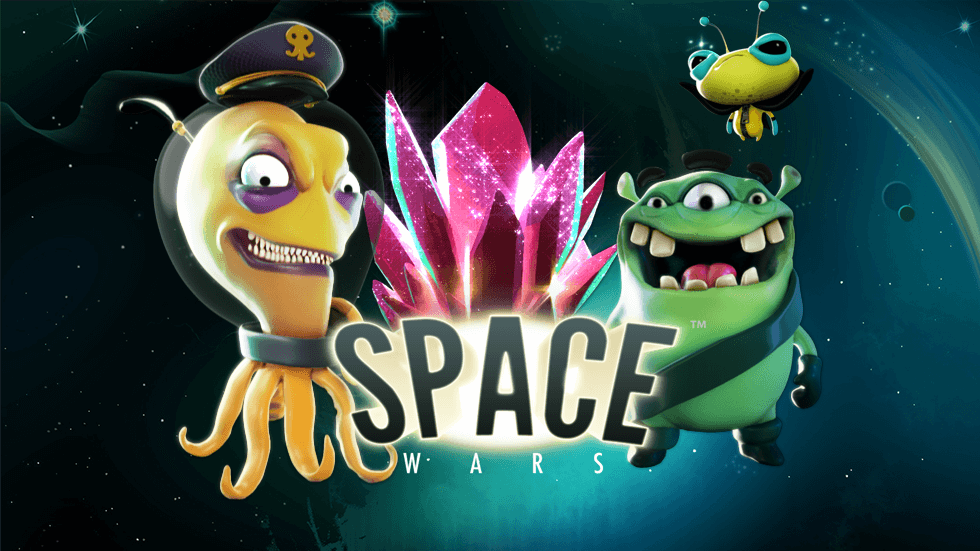
I’ve played and examined gaming game space xy for years, and I can tell you what distinguishes good players from great ones. It’s not just raw talent or endless grinding. The real secret is strategic rest. In the UK’s competitive gaming scene, where everyone is consumed with building skill, the idea of “Training Session Rest” gets neglected. This isn’t about slacking off. It’s an active, deliberate part of getting better. My own game improved dramatically when I quit playing for hours on end and initiated integrating purposeful breaks. This article breaks down how intentional downtime fuels your brain, solidifies muscle memory, and cultivates the resilience you need to win. We’ll create a full framework, from the science to a weekly schedule, designed for the rhythm of a UK player.
Active Rest vs. Passive Rest: The Right Approach
Rest is more than just inactivity. Sedentary rest, such as aimlessly browsing videos, can tire you out instead of refreshing you. Engaging rest involves activities that aid recovery without taxing the same neural pathways you use for Space XY Game. The aim is to increase circulation, reduce stress hormones, and enable your mind to change focus, which paradoxically helps it solidify your gaming skills more thoroughly. Understanding the distinction is crucial for creating a rest routine that genuinely enhances your performance. It’s like choosing the right repair tools, not just parking your car.
I select active rest activities that provide a physical and mental break from gaming. A brisk walk, light stretching exercises, or a quick exercise session enhances blood oxygenation to the brain, which aids in repairing and reorganizing neural links. Starting a new hobby, like playing guitar or reading a novel, lets the strategic parts of my brain relax while other areas get a workout. Even hanging out with friends who don’t game gives me a valuable cognitive reset. The trick is to be intentional. You are undertaking a rest mission. Stay away from pursuits that keep you in a competitive or display-focused state of mind, since they prevent the mental separation necessary for the best skill integration. This is a basic comparison I depend on:
- Superb Dynamic Rest: Walking, cycling, making food, playing an instrument, doodling, hearing music or a podcast (off a display).
- Unproductive Inactive “Rest”: Browsing social media, watching unrelated gaming streams, disputing on discussion boards, playing another high-speed video game.
- Unexpectedly Beneficial Mix: Mild stretching while enjoying an audiobook or tranquil music. It blends bodily restoration with mental escape.
Building a Maintainable Weekly Training Schedule
Let’s bring all these ideas into a workable weekly schedule for a dedicated Space XY Game player. This template blends focused effort, active rest, and full recovery. It enables you avoid the common trap of chronic fatigue while achieving the most from your skill development. Bear in mind, consistency over weeks beats heroic, unsustainable bursts every single time. Adapt this framework to your own life, but protect the core idea: rest is scheduled, not an afterthought.
- Monday/Wednesday/Friday (Primary Training Days): 60-90 minutes of hyper-focused, goal-oriented practice using the Pomodoro method. Accompany it with a 10-minute replay review. Your evening should incorporate active rest and a strict sleep routine.
- Tuesday/Thursday (Active Recovery & Theory): No intensive gameplay. Spend 30-45 minutes for “theory-crafting”: watching pro player VODs, analyzing meta reports, planning strategies, or chatting tactics with your alliance. Pair this with longer physical activity like a gym visit or a run.
- Saturday (Competition/Integration Day): Apply your practiced skills live. Play in ranked matches or join alliance events. Focus on executing under pressure, not learning new mechanics. Restrict sessions to 2-3 hours tops.
- Sunday (Full Rest & Detachment): A complete day off from Space XY Game and, ideally, from most screens. Dive into other hobbies, visit friends or family, get outside. This full-system reset gets you mentally for the week coming up.
This schedule builds a strong rhythm. Focused days develop specific skills, theory days deepen understanding without mechanical strain, competition day pulls it all together, and the full rest day stops fatigue from piling up. Shift the days around to fit your life, but protect the principles: focused effort must be followed by deliberate rest, and full detachment is a scheduled necessity, not a random accident. Monitor your mood and performance on this schedule for two weeks. You’ll observe a real difference in how consistent you are and how quickly you learn.
Identifying and Preventing Mental Fatigue and Burnout
Mental fatigue silently kills progress. It manifests as more than just being exhausted. You grow short-tempered, your concentration dips, you miss the drive to train, and your skill level stagnates or even declines. In the high-pressure UK competitive environment, some wear “pushing through” as a badge of honor. But it’s a direct road to burnout, a state of chronic exhaustion that can take months to bounce back from. Understanding to spot the early warnings is a meta-skill every player needs to develop. It’s your internal dashboard flashing check engine lights.
My personal red flags are easy to spot: getting angry at alliance mates over small errors, repeating the same strategic mistake repeatedly even though I understand better, and sensing a sense of dread at the thought of starting the game. When these pop up, it’s not a signal to try harder. It’s a obvious sign my training-to-rest balance is off. The fix is never more game time. It often means a full 24 to 48 hours completely away from Space XY Game, featuring physical activity, time outside, or other hobbies. Returning after that kind of reset, my perspective is keener, my patience comes back, and I’m ready to learn again. Avoiding burnout isn’t about being weak. It’s about handling your most important piece of hardware, your mind, for long-term performance.
The Essential Role of Sleep in Skill Acquisition
If practice session recovery is the day-to-day glue, sleep is the nocturnal hardening process for the whole building. Skipping sleep to grind more is arguably the worst behavior a serious Space XY Game player can develop. During slow-wave sleep, your brain rehearses the day’s practice at rapid rate, moving memories from the brain region to the cortical area for permanent storage. During REM sleep, it creates abstract associations and ignites creative solutions. This is crucial for crafting new strategies or adjusting to meta changes. Your brain is performing simulations and resolving issues you wrestled with earlier.
- Target 7-9 Hours: This is not a luxury. It’s a direct contribution into your in-game reaction time, decision-making precision, and emotional regulation.
- Develop a Wind-Down Habit: Roughly an hour before sleep, reduce lighting, avoid screens (their digital light messes with melatonin), and maybe do some light reading or mindfulness. This tells your body it’s time to wind down and prepare for memory consolidation.
- Routine is Crucial: Retiring and rising at roughly the same time, even on weekends, synchronizes your body clock. This renders your sleep more efficient and restorative.
I track my sleep along with my practice hours. The link is clear. After a poor night’s rest, my APM might be okay, but my strategic foresight and adjustability feel off. After a solid, quality sleep following a focused training day, I often connect to notice a move that felt clumsy yesterday now feels smooth. My brain actually improved while I was away. Considering sleep as a mandatory practice session is the attitude change that separates the dedicated player from the misguided one.
Structuring Your Training Sessions for Maximum Gain
Solid training for Space XY Game isn’t a marathon. Treat it like a series of disciplined sprints, each with a specific target. Step one is to abandon vague plans to “play for a bit.” Give every session one primary objective. This hyper-focus stops cognitive overload and offers your brain a clear topic to work on during rest. For example, spend 60-90 minutes doing nothing but mastering a specific drone control pattern. Your next session could center entirely on your early-game resource queue. This modular method renders your progress easy to track and renders your rest time more potent. I structure every session around a single “Skill Spike” goal—one technical aspect I want to make automatic.
The Focused Practice Block
Once your session starts, employ a method like the Pomodoro Technique. Train in intense, undisturbed bursts of 25-30 minutes. Then take a mandatory 5-minute break. Step away from your screen during this time—no social media, just stand up, move around, or stare at the wall. After three or four of these cycles, schedule a longer break of 20-30 minutes. Those short breaks enable your brain start its consolidation work, locking in the micro-skills you just drilled. This approach counters the diminishing https://www.gamblingcommission.gov.uk/news/article/new-rules-empowering-consumers-and-boosting-operator-transparency returns that haunt long, unfocused play. It keeps your learning curve steep and your mind sharp. I use a physical kitchen timer to enforce this rule. It prevents me from trying to “finish one more fight” when I’m already tired.
Post-Session Review Ritual
Right after your main training block, before you leave, perform a 10-minute review. Access your match replay, skim through the key moments related to your session’s goal, and create a mental note of one thing you did well and one thing to work on. This act of self-analysis bookends your focused effort. It provides your subconscious clear instructions for what to process during the longer rest period coming up. It transforms a passive stop into an active launchpad for offline learning. I often speak my findings out loud; it creates a stronger memory anchor. This ritual makes sure your rest has direction and purpose. It’s not just empty time.
Key Tools and Environment for Optimal Rest
Your tangible space and the tools you use can make your rest much better or much worse. Since Space XY Game demands so much mentally, your surroundings should help you disengage easily. This is not about having a fancy setup. It’s about establishing clear lines that tell your brain when it’s time to excel and when it’s time to rest. A cluttered, always-on environment lets training stress leak into your rest periods, which undermines consolidation. Let’s tweak your setup for both focus and recovery.
First, attempt to keep your gaming space solely for intense play. If that’s not feasible, use symbolic cues. I have a specific desk lamp I only switch on during training blocks. When it’s off, my brain recognizes it’s not in “game mode.” Second, use technology intelligently. Set app blockers to stop mindless scrolling after a session. I use a plain paper notebook for my post-session review in place of another app. It generates a physical break from screens. For sleep, look into blackout curtains or a white noise machine if you live in a noisy UK city. Make your environment function with your rhythm.
- Digital Hygiene: Set “Do Not Disturb” modes on your devices during rest blocks. Use a separate browser profile for leisure so you avoid game-related bookmarks.
- Physical Separation: If you can, take your active rest breaks in a different room. A change of scenery is a powerful cue for a mental shift.
- Comfort & Recovery: Spend in a good chair for training, but also have a comfortable spot elsewhere for reading or relaxing. Keep water and healthy snacks nearby to prevent energy crashes that derail your rest plans.
The Science of Skill Consolidation Throughout Downtime
Practicing a difficult skill in Space XY Game—like perfecting asteroid mining runs or managing a rapid fleet engagement—places your brain through its paces. Every cycle builds new neural pathways. But the real construction work, the mechanism that makes a skill automatic when the pressure is on, occurs when you stop. Scientists call this consolidation. It’s your brain’s way of arranging, solidifying, and combining what you just learned. Skip the rest between hard training sessions, and this process stays incomplete. You’re left with spotty, shallow learning that falls apart in a real match. It’s like trying to build a skyscraper without letting the concrete set.
That’s why packing a five-hour session before a tournament usually backfires. Your working memory gets overloaded, your reactions slow, and mistakes you wouldn’t normally make start edging in. Now, picture a different approach: shorter, targeted sessions broken up by proper rest. During those quiet periods, your brain repeats and bolsters the sequences you drilled, shifting them from the effortful prefrontal cortex to the automatic basal ganglia. This is where real “game sense” and instinct come from. It’s not born from non-stop play, but from the smart back-and-forth between focused effort and deliberate disengagement. For any Space XY Game player in the UK scene, mastering this cycle right is a critical edge. It turns practice from just putting in time into a process of biological optimization.
FAQ
Doesn’t more practice constantly better for progressing in Space XY Game?
Not at all, not past a particular point. The law of diminishing returns takes effect here. After about 60-90 minutes of focused practice, mental fatigue diminishes your learning efficiency. Your brain demands offline time to solidify those skills. Two focused sessions with rest between them surpass one marathon session where the later hours are spent practicing mistakes because you’re tired. Quality and structure outweigh raw volume, every time.
What is the single best active rest activity I can do?
Gentle to moderate cardio is difficult to surpass. A 20-minute brisk walk or jog gets blood and oxygen pumping to your brain, decreases stress hormones like cortisol, and provides you a complete change of scene from the sedentary, screen-heavy world of gaming. It’s straightforward, easy to do, and the cognitive benefits carry over directly to clearer decision-making in your next session.
How can I tell the difference between normal tiredness and burnout?
Normal tiredness generally fixes itself with a good night’s sleep or a single day off. Burnout seems different. It’s a chronic exhaustion, combined with cynicism about the game (a persistent “what’s the point?” feeling), and a sense that you’re not getting any better, a feeling that lingers for weeks. If the idea of playing consistently seems draining instead of fun, that’s a major burnout warning. It signals you need a longer, planned break.
Is it possible to use rest days to analyze the game rather than playing?
Yes, and you certainly should. This is your “active recovery” or “learning day.” Viewing tutorial videos, examining your replays, or reading strategy guides engages your strategic brain without taxing your mechanical execution. It’s a excellent way to keep learning and remain engaged while giving your hands and reaction-based neural pathways a thorough rest. Just don’t actually play.
I have limited time. How can I manage training and rest efficiently?
Precision beats quantity every time. With just 30 minutes, you can run a hyper-focused session on one micro-skill. End it with 5 minutes of analysis, then stop. The secret is in the intensity of your focus during that short practice and the control to stop so consolidation can happen. A brief, planned rest after a mini-session is more worthwhile than extra playtime when you’re unfocused or fatigued.
Does this “rest” concept extend to in-game resources and cooldowns too?
The principle is a direct parallel. Similar to you control your fleet’s cooldowns and resource regeneration for maximum output, you need to manage your own cognitive and physical cooldowns. Fighting when your ships are weakened is a certain loss. Pushing your mind when it’s tired leads to suboptimal choices. Calculated patience, both for your in-game assets and for yourself, is a hallmark of a elite player.
